
A new draft law could allow regional authorities to award rail contracts to their own operators, protecting up to half of Poland’s regions from competition.
This draft amendment to Poland’s Act on Public Collective Transport risks quietly undermining the EU’s Single Rail Market by expanding the use of directly awarded Public Service Obligation (PSO) rail contracts.
The proposal, currently under public consultation, is presented as a technical reform aimed at improving public transport. However, it contains a change that could entrench incumbent railway operators and weaken competition in regional rail services.
The legislative package is extensive – 37 pages of draft law, a 24-page justification and a 29-page regulatory impact assessment. Yet stakeholders were given only seven days to submit comments.
Such a short timeframe raises serious concerns about stakeholders’ ability to respond to a reform with potentially far-reaching consequences – and raises the question of whether this was deliberate.
At the centre of the proposal is the repeal of Article 22a, which risks allowing regional rail public service contracts to continue being directly awarded rather than competitively tendered, contrary to the objectives of Regulation (EC) No 1370/2007.
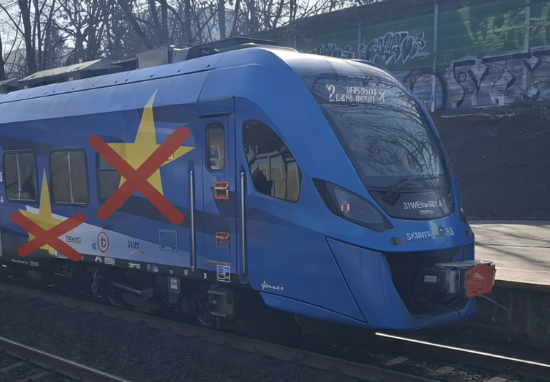
The change would make it easier for regional authorities to award services to operators owned by local governments. Six such companies already operate regional rail services in Poland, while another has recently been established in the Lubuskie province.
If replicated elsewhere, around half of Poland’s regions could effectively be shielded from competition, with other regional governments likely to establish their own operators.
Equally concerning is the lack of transparency. Neither the justification nor the regulatory impact assessment mentions this change, suggesting that such a significant reform may be being introduced quietly in the hope that it passes largely unnoticed.
ALLRAIL’s Polish spokesperson, Katarzyna Dekeyser, calls on Polish authorities to ensure that any reform of the Act on Public Collective Transport adheres to EU law that Poland has agreed to – otherwise passengers and taxpayers will ultimately pay the higher prices that result from directly awarded contracts.