
EU:
New Task Force on EU Cross-Border Operations
The subgroup will examine how cross-border passenger (and freight) rail operations are organised in practice and how existing arrangements under the European Union legal framework affect business decisions. It will also identify opportunities to reduce costs, administrative burdens, transit times and operational complexity, while improving operational performance. We expect it to require 2 or 3 hours of time per month.
Therefore, we encourage our members with a specific interest in cross-border rail to nominate experts with relevant knowledge and practical experience to participate in this work. You are also invited to review the draft Terms of Reference for Subgroup D and submit any comments or suggestions.
Please send nominations and feedback to ESG@era.europa.eu.
The kick-off meeting will take place on 9 September 2026.
Tribute to Siim Kallas
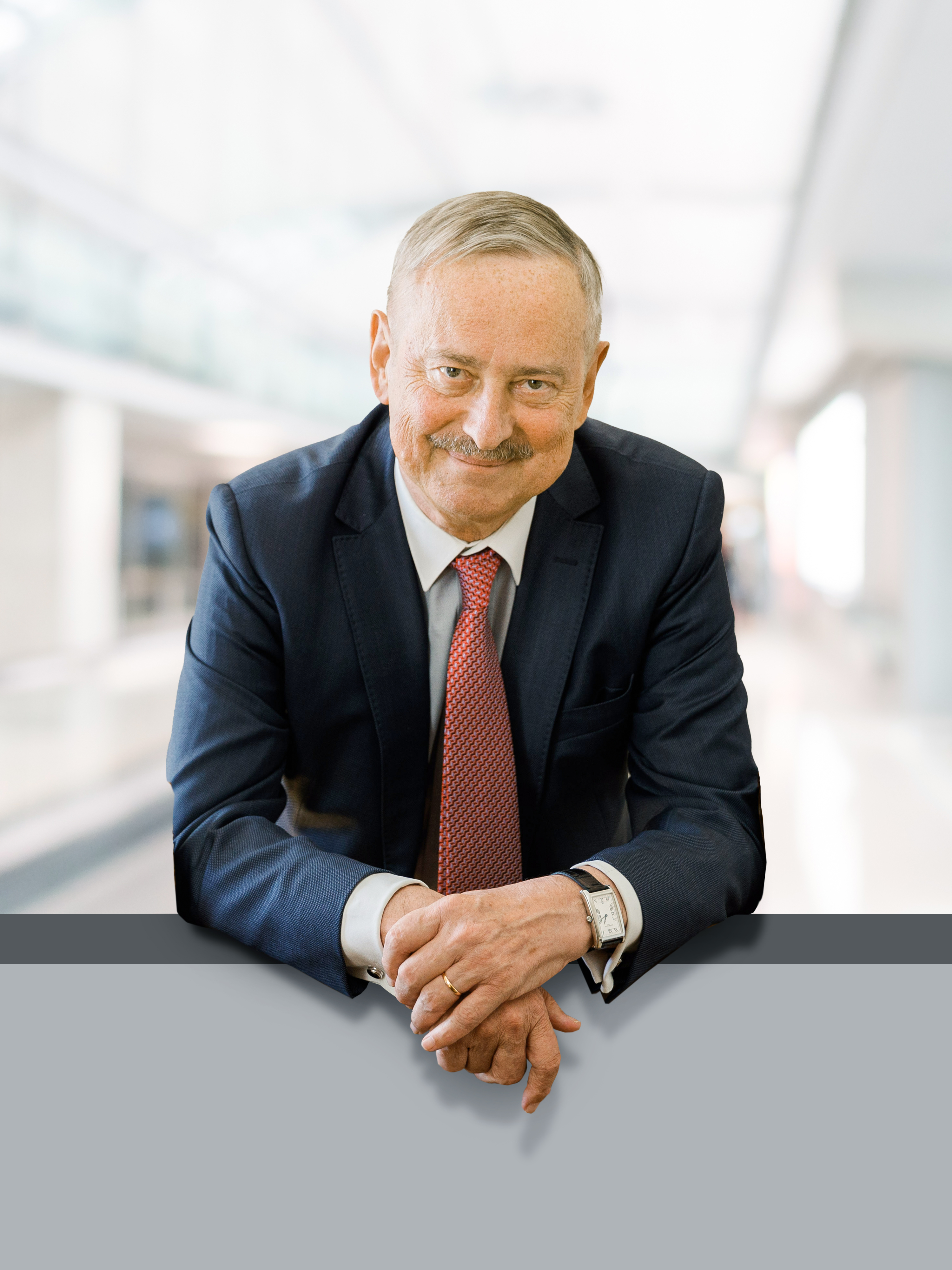
As the EU Transport Commissioner from 2010 to 2014, Siim Kallas (also a former prime minister of Estonia) played a central role in advancing the Single European Railway Area and opening national rail markets to competition. Most notably, he presented the Fourth Railway Package in 2013, promoting competitive passenger rail markets, stronger infrastructure-manager independence and fewer barriers for private operators.
His conviction that competition could deliver better services, greater innovation and better value for passengers and taxpayers remains highly relevant today.
Belgium:
New Scrutiny of Incumbent Operator SNCB/NMBS’s Use of Public Funding
Belgium’s Federal Agency for Transport Regulation has completed its first audit of the accounting separation of SNCB/NMBS.
Ss the Belgian government now seriously prepares to open its passenger rail market by 2032, transparent accounts must ensure that taxpayer funding for public services is not used to cross-subsidise activities in competitive markets.
Read the regulatory summary or the full decision D-2026-02-S.
Germany:
Taxpayers are Funding Action Against Their Own Interests
Germany’s Federal Network Agency has ruled that at least 25% of long-distance capacity on certain congested corridors should be available to competing operators. In response, the publicly funded infrastructure manager DB InfraGO is now challenging this decision in court.
The result is that German taxpayers finance the infrastructure manager and now a legal challenge against measures intended to benefit them as passengers and consumers.
With the vertically integrated in-house long distance operator DB Fernverkehr controlling around 95% of Germany’s long-distance rail market, this case again demonstrates why the infrastructure manager must be genuinely independent and neutral, rather than protecting DB Fernverkehr.
Spain:
Renfe to Challenge Decision By Regulator to Grant Access for Iryo to Certain Heavy-Maintenance Operations at Renfe Maintenance Facilities before Spain’s High Court.
Not long ago, Spain’s rail regulator CNMC granted the Spanish state incumbent operator Renfe’s competitor Iryo access to certain heavy-maintenance operations at the incumbent operator Renfe’s Maintenance facilities. The Renfe has announced that it will challenge the decision before Spain’s High Court.
The decision is an important precedent for access to rail-related services. CNMC considered that, because heavy maintenance was included in Renfe’s service facility description and had been subject to 18 months of negotiations with Iryo, it was effectively being offered on the market and therefore had to be provided on a non-discriminatory basis.